Lenovo (2003)
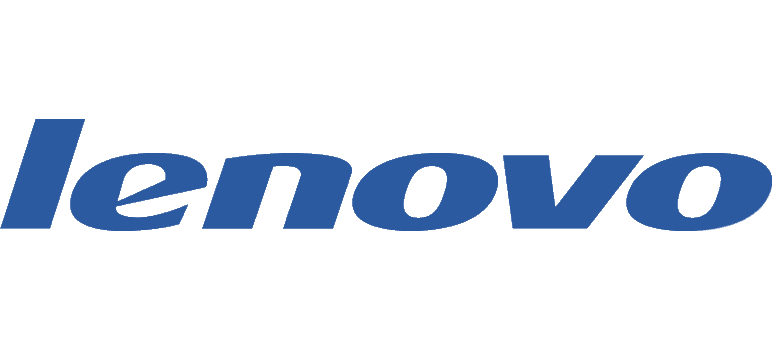
Legend renames itself Lenovo for international markets; new Lenovo wordmark replaces Legend logo
Lenovo logo before and after
BeforeUntil Apr 2003
Lenovo logo via Wikimedia Commons (author: Lenovo Group). Source: commons.wikimedia.org
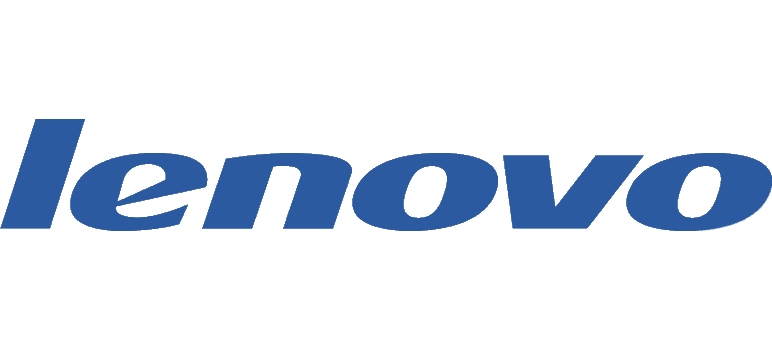
AfterSince Apr 2003
Lenovo logo via Wikimedia Commons (author: Lenovo). Source: commons.wikimedia.org
Key facts
Lenovo launched a new logo in Apr 2003.
- Brand
- Lenovo
- Launched
- Studio
- Not recordedAdd it
- What changed
- Legend renames itself Lenovo for international markets; new Lenovo wordmark replaces Legend logo.
- Why
- Legend said it needed an English brand it could use freely worldwide for international expansion, but the name Legend was already registered by others in many countries.
- Sources
- hartware.de, chinadaily.com.cn, computerbase.de
- Logo history
- 2 rebrands
Cite this Rebrand Log, "Lenovo new logo (2003)", https://rebrandlog.com/rebrand/lenovo-2003/, last updated .
The Lenovo rebrand, explained
One of the best known names in computing started as a trademark problem. On 28 April 2003 Legend Group, China's biggest PC maker, announced it was replacing its English logo, Legend, with a new coined word: lenovo. The company's legal names in Chinese and English stayed as they were. At home the Chinese brand name would continue, paired with the new English mark; overseas, lenovo would stand alone.
President and CEO Yang Yuanqing was candid about why. The brand was one of the group's most valuable assets, he said, and rapid growth called for a logo reflecting its diversification and international ambitions. The first requirement for going global was an English brand that could be used without restriction everywhere, and Legend was already registered by others in many countries. China Daily later quoted him saying this had made promoting the brand overseas very difficult. ComputerBase put it simply: the name was already protected in Europe.
The new word was built with care. Le signals the link to Legend, while novo comes from Latin and stands for innovation and novelty, so the name reads as an innovative Legend. The company listed four attributes it was meant to carry: trustworthy, innovative and energetic, professional service, and easy. The logo used a basic blue tone and a simple, modern design meant to suggest professionalism, technology and wisdom. Lenovo had already registered the name worldwide, and products made from 29 April onwards carried it. The switch would take six months to a year, starting in major Chinese cities and key shops, while the QDI motherboard business kept its own logo. The new lenovo.com domain went live at once.
The cost was real. China Daily reported in early 2004 that the company had raised advertising spend by about 20 percent to offset the negative effects of the switch and build a distinctive English name.
As naming craft, lenovo is quietly excellent. It keeps a syllable of equity, adds a meaning anyone in a Romance language market half understands, and is short, pronounceable and ownable worldwide, which Legend never could be. The lowercase blue wordmark itself was forgettable corporate tech of its era, but it hardly mattered. The name chosen to escape a trademark trap was ready for the world stage.
In short: A trademark problem solved with a genuinely good name.
Sources
- 1. en.wikipedia.orghttps://en.wikipedia.org/wiki/Lenovo
- 2. lenovo.comhttps://www.lenovo.com/us/en/about/history/